
Mrs Peters
by Tina MacNaughton
The street was noisy and grey, the pavements empty of people. Cars drove through constantly, chugging out fumes. Smoky wisps filled the air, as engines idled and children emerged from back seats. Mrs Peters watched as they wove in and out of traffic to reach the school on the corner.
Her own children had walked to school and played out in the street. She remembered walking hand in hand with her two daughters, chatting to other mothers and exchanging greetings with neighbours out tending their front gardens.
No one had the time any more. Most of the gardens were paved over for convenience. Some kept bikes there, or piles of rubbish waiting to go to the tip, others left their bins there to save them the trouble of dragging them out from the back alley each week for collection.
Mrs Peters looked with regret at her own front garden, or lack of. The hydrangea was dead through lack of water and care. Baskets and tubs that used to be abundant with colour in Jack’s day now sat empty and bereft. She missed Jack so much. She knew he would be upset that she had let the garden go, but she no longer had the heart. When he died, something in her left too.
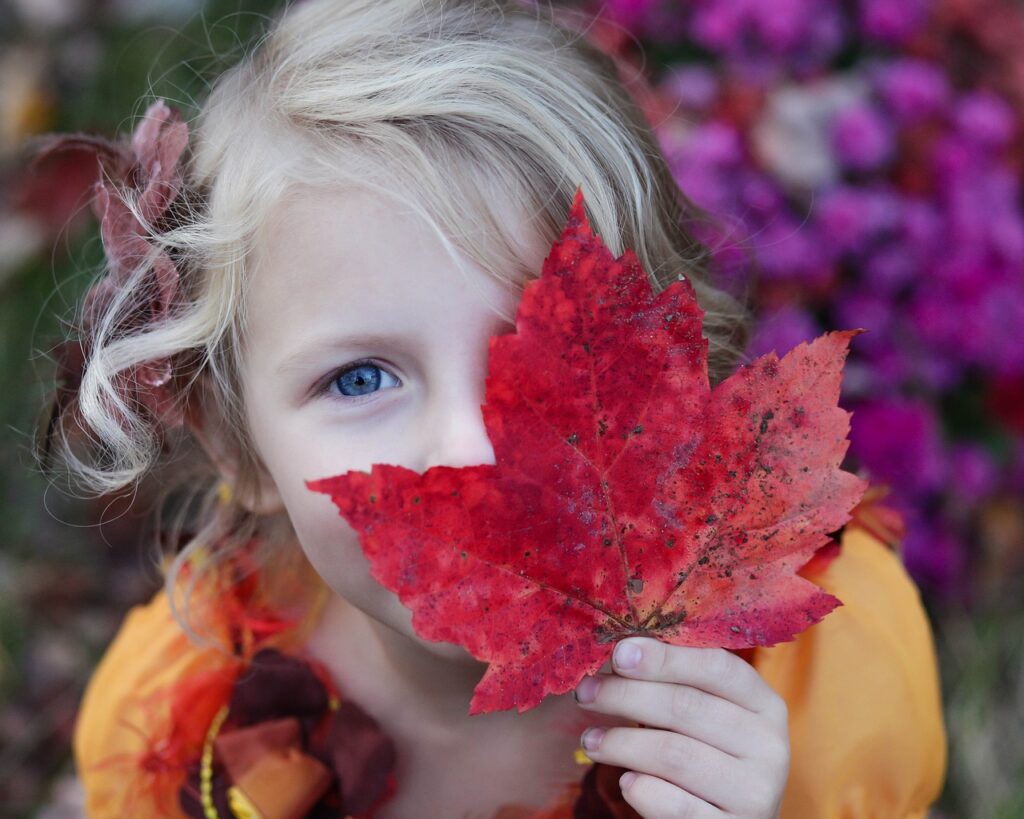 She turned to go back inside when she thought she heard a small whimper. A rustle of dead leaves and the sound of a child crying. Startled, Mrs Peters pulled back the dead foliage and saw a tiny girl in a faded green dress curled in a ball. She was thin and pale, her fair hair tangled and dirty.
‘I’m hungry,’ she whispered. ‘I’m thirsty.’
Mrs Peters took the young girl into her arms. She was as light as a feather and smelt of decay and petrol fumes. Her breathing was heavy and laboured. Mrs Peters carried her inside and fed her with salad and nuts, which was all she seemed to want. She made her juice with fresh oranges, and watched as she ate and drank and slept. She slept a lot. Mrs Peters bathed her and washed the grime and dust out of her fair hair. She put her in some nice clean clothes. The girl slept some more. After a few days, she seemed stronger.
Mrs Peters baked a cake for the first time in years. It was as light as air and sweet as honey and flavoured with fresh lemons. She cut two slices, made a pot of tea, placed them on a pretty tray and took them into the spare bedroom. The girl was up and walking around, looking at the framed photos on every surface.
‘Are these your daughters?’ she asked pointing at a photo of Freya and Margaret playing in the garden when they were little.
Mrs Peters nodded.
‘Yes, that’s them. Don’t see much of them these days, unfortunately,’ Mrs Peters gave the pot a stir.
‘Why not?’
Mrs Peters explained that Freya had emigrated to Australia with her husband and that Margaret worked as a nurse in Scotland. Both girls had extremely busy lives and travel was expensive, so visits were few and far between.
‘I miss them,’ she told the girl, ‘and phone calls aren’t the same.’ Often she struggled for things to tell them.
The girl listened to her carefully but said no more.
She still looked rather pale, so Mrs Peters suggested they sit outside and take advantage of the sunshine. It was a beautiful spring day.
They sat on the porch and the girl rubbed her left-over cake into crumbs and placed them on the table for the birds. She asked why the front garden was so glum and neglected.
‘I’ve just given up on it, I suppose.’
The girl walked around and began picking up dead leaves and pulling back overgrown grasses to reveal some pretty primroses. Mrs Peters smiled and went to fetch some garden tools from Jack’s shed. Together they started to clear the garden. The girl shouted, ‘No,’ and ran over when she noticed Mrs Peters pulling out some straggly looking stems.
‘They are wildflowers, not weeds. If you leave them they will become a meadow and attract bees, butterflies and insects.’
For a small girl, she knew an awful lot.
As the days passed, they spent more and more time in the garden. The girl showed Mrs Peters how to pile up prunings and vegetable peelings, mix equal amounts of green leaves with dead leaves and twigs, and then add torn up bits of old cardboard and shredded paper to make a compost heap.
‘Then your garden can feed itself.’
They looked through seed catalogues together and chose packets of colourful plants with lovely names. Love-in-a-mist, purple clover, cornflowers, forget-me-knot. They planted tubs with fragrant herbs. Rosemary, mint, lavender, valerian – ‘for the scents,’ the girl said, ‘and for cooking and making ointments and tinctures for well-being.’ She suggested adding lavender to the lemon cake recipe which Mrs Peters found very strange. To her surprise, it tasted wonderful, was delightfully aromatic and rather calming.
The girl found some bamboo hollows and hung them from the small cherry tree in a quiet corner of the garden. She said she was creating an ‘insect hotel’ which would attract a variety of useful little creatures to nurture and nourish the garden. They looked pretty, dangling in the sunlight, and made a pleasant clinking noise when a breeze passed through.
They used up left-overs to feed the birds, and filled a basin with water so the birds could drink, bathe and play. Mrs Peters listened with pleasure to the melodic birdsong as she hung out her washing.
One evening, while they were eating lavender ice-cream on the porch, a beautiful red admiral fluttered into the garden and perched on the girl’s finger. She watched it carefully and Mrs Peters thought she heard her whisper to it, but may have been mistaken.
‘Are you happy Mrs Peters?’ she asked.
‘You know, I think I am,’ she replied. ‘Although I still miss my Jack, of course, and wish I saw more of my girls.’
‘You may not see them, but they are always here.’ The girl gently placed her small hand on Mrs Peter’s heart in a gesture so tender that Mrs Peters thought her heart could break. She had become so fond of her and her clever, kind ways.
Next morning, Mrs Peters woke up a little late. The house was silent. She walked to the spare room and the girl was gone. No word of thanks, no note, nothing. Mrs Peters shook her head, stripped the bed and put her towel and flannel in the wash. Well, that was the end of that then. She would miss her, but it was nice to have had some company, if only for a short while.
She put on her gardening clothes and went out into the fresh air.
That night she spotted the brightest star she had ever seen and a supermoon glowed and lit up the street. Mrs Peters blinked with surprise as she drew the blind. Quite extraordinary, she thought. A few days later the hydrangea came to life. Big balloons of pink, blue and white burst forth with colour and vibrancy. Mrs Peters felt encouraged and pleased and gardened some more. Roses bloomed around the blue front door and bushes of lavender and rosemary were alive with humming bees and dancing butterflies.
Neighbours noticed the pretty garden and began to improve their own small patches. Baskets and planters of flowers appeared and the street looked attractive and welcoming. People started taking their old stuff to the Council Recycling Centre instead of letting it pile up and bins were hidden away once they were emptied. There was a sense of pride and identity in the street that had been missing for some time.
One day a neighbour asked Mrs Peters if she would help her to campaign for the street to be closed to through traffic in the mornings and afternoons, so that children could walk safely to school and play out freely in their own street.
Oh yes, nodded Mrs Peters, what a grand idea. Just like when Freya and Margaret were small.
It took a lot of work and time. She told her daughters all about it when they phoned, and they started phoning more often, to see how the campaign was going. The phone calls lasted longer as they celebrated each success with her.
The street became a little slice of nature. It won a prize for Safest and Happiest Street – an example of good community living and a calm, clean space in a busy urban environment. Mrs Peters saw the girl one more time. She had grown taller and looked healthy and strong as she ran amongst the other children playing in the street. She wore a bright green dress and a band of wildflowers in her long, now golden hair. She smiled and waved at Mrs Peters, then she danced away.
Inspiration: There are a couple of terraced houses on a busy Southsea street with the most beautiful front terraces. The residents have made gardens out of the little pavement space they have and I smile whenever I walk or drive by. Making the most of what we have, a little piece of nature on our doorstep – small steps.
Image by StockSnap from Pixabay
Tina Cathleen MacNaughton is a writer and poet. She was born and bred in Portsmouth and now divides her time between Crowthorne, Berkshire, where she practises as an acupuncturist, and her Southsea flat where she walks by the sea and writes poems in her head. Tina has published a collection of poetry, On the Shoulders of Lions (The Choir Press), and two children’s books: When the Elves Rescued Christmas and Santa’s Still Asleep (WriteRhymes). Tina features on the Writing Literary Portsmouth online literary map. www.writerhymespoetry.com